Serving Apopka, FL and surrounding areas. (689) 910-0277
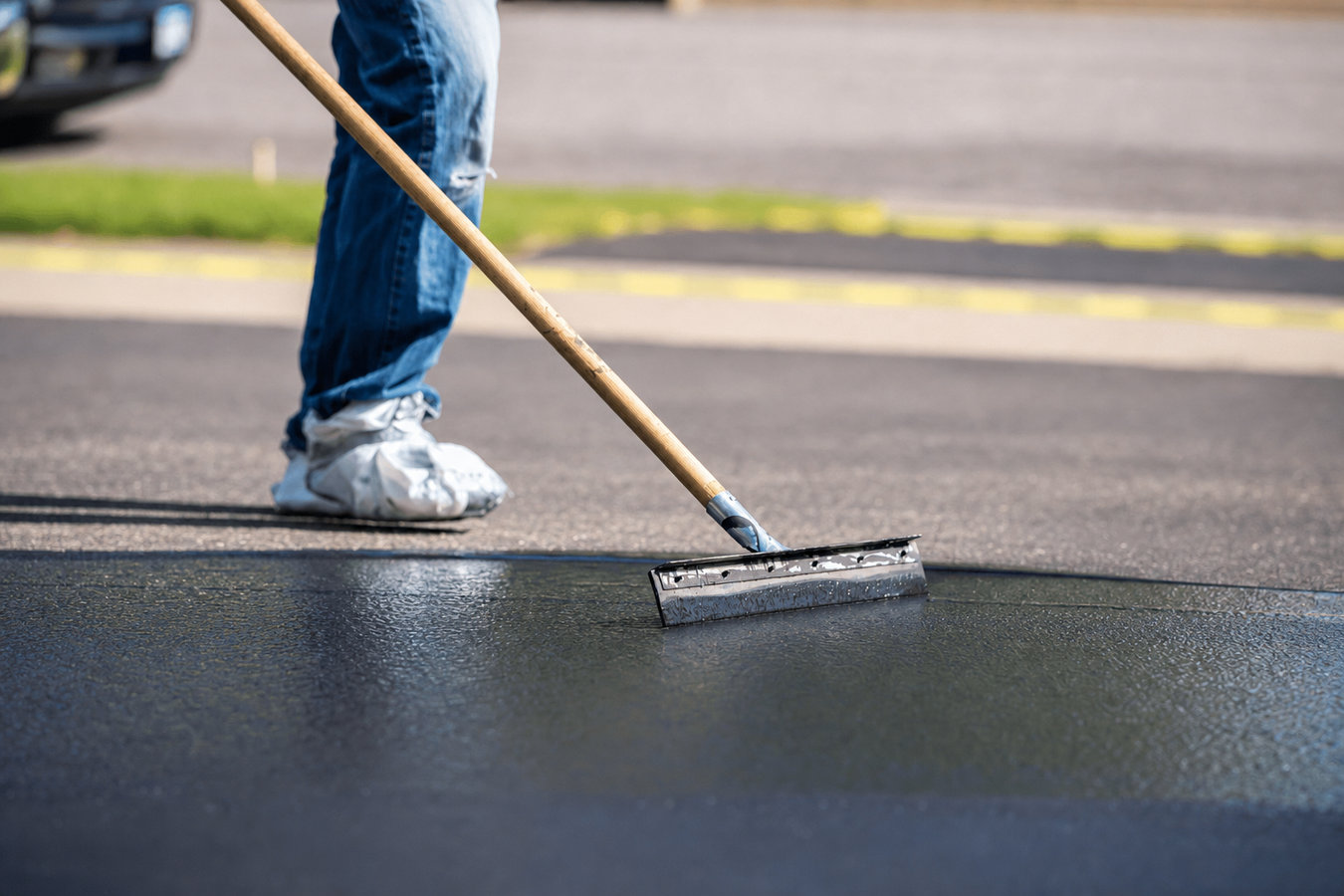
Florida rain, UV rays, and year-round humidity attack unprotected concrete every season. A properly applied sealer keeps moisture out, mold off, and your surface looking solid for years - not just for a few months.
Concrete sealing in Apopka, FL puts a thin protective layer over your concrete that keeps water, oil, and dirt from soaking in - think of it like a raincoat for your driveway or patio - and most jobs finish in a few hours once the surface is cleaned and dried, with a 24-to-48-hour curing window before foot traffic. The surface still looks like concrete, but it resists the staining and cracking that comes from years of unprotected exposure.
In Apopka, the two biggest threats to outdoor concrete are UV radiation and moisture. Florida's sun breaks down unprotected surfaces faster than most homeowners realize, and the combination of heavy summer rain and sandy, shifting soils underneath means water finds every small crack and widens it. Sealing is one of the lowest-cost ways to extend the life of concrete that would otherwise need repair or replacement years sooner, according to the Portland Cement Association.
When your surface needs more than just sealing, our concrete resurfacing and overlays service can restore worn or damaged slabs before a sealer goes on. For floors that already have a polished finish, our polished concrete flooring page covers how densifying and sealing work together as part of the polishing process.
Pour a small amount of water on your driveway or patio. If it soaks into the surface within a minute or two rather than sitting on top in small droplets, your sealer has worn through and the concrete is unprotected. This is the clearest sign that it is time to reseal, and it is a test any homeowner can do in about 30 seconds.
In Apopka's heat and humidity, mold, mildew, and algae grow on outdoor concrete faster than in most parts of the country. If you notice dark staining that comes back shortly after you clean it, the concrete is porous enough to harbor these organisms. Sealing makes the surface much harder for them to grip.
Florida's strong sun bleaches and breaks down concrete over time. A surface that once looked clean and solid may start to look washed out or powdery. That chalky texture means the top layer of the concrete is eroding, and sealing now can slow that process before it leads to more serious surface damage.
Small cracks in Apopka driveways and patios are common because the sandy soil underneath shifts with rain and dry spells. If you can see fine lines or small chips starting to form, sealing after a proper repair keeps water out of those openings before they grow into a more expensive problem.
We seal driveways, patios, pool decks, lanais, garage floors, and interior concrete surfaces across the Apopka area. Every job starts with a thorough cleaning - pressure washing, chemical treatment for oil or mildew, and full surface drying before any sealer is applied. Skipping the cleaning step is the most common reason sealers fail early, and we do not skip it. We then choose the right sealer type for the surface: penetrating sealers for areas where you want no change to the look of the concrete, and topical sealers where a protective sheen or decorative finish is part of the goal.
When a surface needs more than cleaning before sealing, we coordinate with our other services to set it up correctly. Our concrete resurfacing and overlays work can repair and restore a worn or damaged slab so the sealer has a clean, solid surface to bond to. For surfaces that already carry a polished finish, the right sealer is part of the final polishing step - and our polished concrete flooring process handles that as an integrated step, not an afterthought.
Soaks into the concrete to protect from the inside without altering the surface appearance. Best for driveways and pool decks where a natural look is the goal.
Sits on top of the surface to create a visible sheen and stain-resistant layer. Available in matte, satin, and gloss finishes for patios, lanais, and decorative surfaces.
Strip worn or peeling old sealer, clean the surface, and apply a fresh coat. The right approach when a previous sealer has degraded rather than simply worn thin.
Apopka averages around 50 inches of rain per year, with most of it falling between June and September in the form of heavy afternoon thunderstorms. That means concrete sealing scheduled during the wrong months often fails before it ever has a chance to cure properly. Experienced local contractors schedule this work in Apopka during the drier stretch from October through May, when the concrete has time to dry fully and the sealer can bond without rain interrupting the process. Florida's intense UV exposure is the other side of the equation - sealers in Apopka face more sun damage than in most states, which is why we use UV-resistant products from the start rather than standard sealers that break down within a single summer. Homeowners in Sanford face the same climate demands, and we apply the same UV-first product selection on every job across the region.
Apopka's sandy, shifting soils also create a steady supply of hairline cracks in driveways and patios - more so than in areas built on clay or rock. Those small openings are where water gets in and starts the erosion that leads to bigger repairs. Sealing after even minor crack repair keeps those openings closed, which is especially important in low-lying neighborhoods near retention ponds and the Wekiva basin where the ground stays damp after rain. The Orange County Building Division notes that standard sealing work does not require a permit, but any associated structural repairs should be checked first. Homeowners in Ocoee deal with the same soil movement issues and benefit from the same crack-and-seal approach before each rainy season.
We start with a few basic questions: what type of surface you want sealed, roughly how large it is, and whether you have noticed any cracks or staining. Most contractors will offer a free on-site estimate, which is worth doing since the condition of your concrete matters a lot for accurate pricing. We reply within one business day and get you scheduled promptly.
When we visit, we walk the surface and look for cracks, spalling, peeling old sealer, and any areas with mold or deep staining. This is the point where we tell you if any repairs need to happen before sealing - and we explain exactly what we found and why it matters, not just hand you a number.
Before any sealer goes on, the crew cleans the surface thoroughly - usually with a pressure washer and sometimes a chemical cleaner to lift oil or mildew. This step takes longer than most homeowners expect, often an hour or more, and it is the most important part of the whole job. In Apopka's humidity, the concrete then needs time to dry fully before the sealer can be applied.
Once the surface is clean and dry, the crew applies the sealer in two thin coats rather than one thick one - this gives better coverage and avoids bubbling or haziness. After curing, we do a quick walkthrough with you so you can see exactly what was done. We also give you written care instructions and a recommended resealing timeline before we leave.
Free written estimate. We clean, assess, and seal - with UV-resistant products rated for Florida's climate.
(689) 910-0277We do not use generic sealers that break down in one Central Florida summer. Every product we apply is chosen for UV resistance appropriate to Apopka's year-round sun exposure. That choice alone extends how long your sealer holds before the next application is needed - and saves you from paying for the same job twice in 18 months.
The most common reason a sealer fails early is that it was applied to a surface that was not properly cleaned first. We pressure-wash, treat for mold and oil, and confirm the concrete is fully dry before any product goes on. That step adds time to the job and we do it on every single project - because skipping it would mean your sealer fails, and that reflects on our work.
We look for cracks during the estimate visit and tell you whether they need repair first. In Apopka, sealing over an unfilled crack just traps moisture in the opening and accelerates the damage. A small crack repair done right costs far less than the structural repair that follows if water gets in and cycles through Apopka's wet-dry seasons for a few years.
We know Florida's weather patterns and schedule sealing jobs in the window when conditions support proper curing - typically October through May. We also monitor the forecast around job dates and will move the schedule if rain is too close to the curing window. That kind of scheduling care is why our sealers hold up rather than wash away in the first summer storm. The Portland Cement Association is a reliable reference for general guidance on Florida concrete durability.
Concrete sealing is a straightforward service when it is done with the right products and the right timing. We bring both - along with an honest assessment of what your surface actually needs - so the work holds up through Apopka's climate, not just through the inspection at the end of the job.
Restore a worn or cracked slab to a solid surface before sealing - so the sealer has something worth protecting.
Learn MoreWhen you want more than protection - grinding and densifying the slab itself into a permanent, reflective finished floor.
Learn MoreApopka's dry season scheduling fills up fast - call today and lock in your sealing date before the rainy season takes it off the table.